
For children aged 3 and over, and adults
Equine-assisted therapy uses interaction with horses as part of a therapeutic treatment. Sessions involve activities and exercises supervised by health professionals, with the aim of supporting physical, emotional and mental wellbeing.
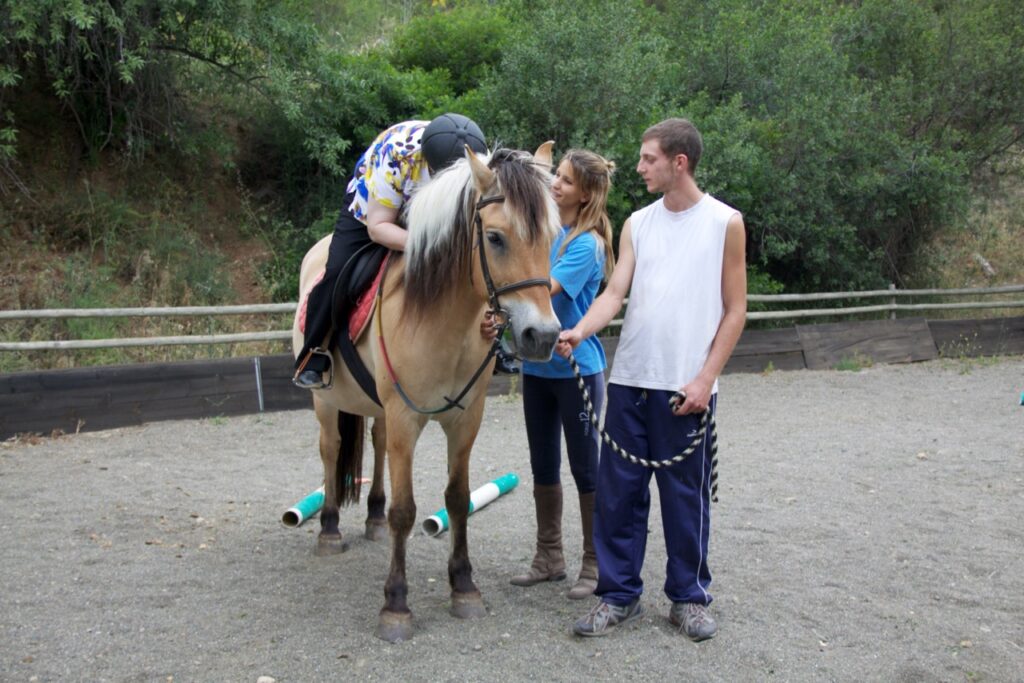
Activities may include riding, horse care, specific exercises or simply interacting with the horses. Their presence and movement provide sensory and physical stimulation. Sessions can work on muscle strength, coordination, confidence, self-esteem, relaxation, emotional wellbeing, communication and social interaction.
This approach is used with people with developmental conditions, physical disabilities, emotional difficulties, autism and difficulties with balance or coordination, among others. Sessions must always be provided by appropriately trained professionals in a safe, suitable environment.
Request more information
FAQs
Frequently asked questions about equine-assisted therapy.
Equine-assisted therapy may benefit people of different ages with a range of physical, emotional or mental health needs, including developmental conditions, physical disabilities, autism, anxiety, and difficulties with balance or coordination.
No previous riding experience is needed. Professionals adapt the activities and exercises to each person’s individual needs.
Potential benefits include improvements in muscle strength, coordination, balance, concentration, confidence, relaxation, social interaction and communication.